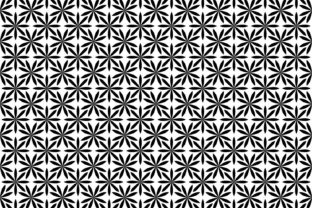
Exploring the Elegance of Monochrome Geometrical Patterns
Monochrome geometrical patterns are a striking and versatile design element, characterized by their use of a single color and intricate geometric shapes. These patterns often feature a combination of lines, curves, and angles that create a visually appealing and cohesive look. The simplicity and uniformity of monochrome designs make them a popular choice in various applications, from graphic design to interior decor.
Understanding Monochrome Geometrical Patterns
A monochrome geometrical pattern is defined by its use of a single hue, which can range from bold and vibrant to subtle and subdued. The geometric aspect comes from the structured and repetitive arrangement of shapes, such as triangles, squares, circles, and more complex forms. This combination of a single color and geometric shapes creates a harmonious and balanced visual effect.
One of the key features of monochrome geometrical patterns is their versatility. They can be used in a wide range of settings, from modern and minimalist to more traditional and ornate. The simplicity of the design allows it to blend seamlessly with other elements, making it a flexible choice for both professional and personal projects.
Comparing Monochrome Geometrical Patterns with Other Design Styles
When considering monochrome geometrical patterns, it's useful to compare them with other popular design styles to understand their unique strengths and potential limitations.
- Colorful Geometric Patterns: While colorful geometric patterns offer a wider palette and can be more vibrant, they may also be more overwhelming and less versatile. Monochrome patterns, on the other hand, provide a more subtle and refined look, making them suitable for a broader range of applications.
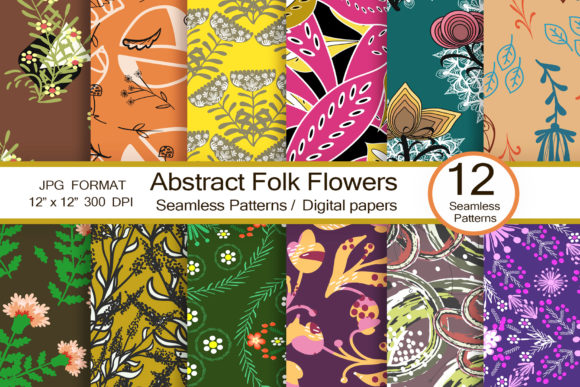
- Abstract Floral Patterns: Abstract floral patterns, such as the repeating abstract monochrome stylized flower pattern, bring a natural and organic feel. These patterns can add a touch of elegance and sophistication, but they may not have the same clean and structured appearance as monochrome geometrical patterns. For environments where a more formal and precise look is desired, monochrome geometrical patterns might be the better choice.
- Minimalist Designs: Minimalist designs, which often feature simple and uncluttered compositions, can be very similar to monochrome geometrical patterns. However, minimalist designs typically focus more on negative space and fewer elements, while monochrome geometrical patterns can be more intricate and detailed. If a project requires a balance between simplicity and complexity, monochrome geometrical patterns can be an excellent option.
Strengths and Tradeoffs of Monochrome Geometrical Patterns
The primary strength of monochrome geometrical patterns lies in their ability to create a strong visual impact without overwhelming the viewer. The use of a single color ensures that the design remains cohesive and balanced, making it ideal for backgrounds, textiles, and branding materials.
However, there are also some tradeoffs to consider. Monochrome patterns may lack the vibrancy and diversity of multi-colored designs, which can be a limitation in contexts where a more dynamic and varied look is desired. Additionally, the repetitive nature of these patterns can sometimes appear too uniform or predictable, especially in larger areas or when used excessively.
Best-Fit Situations for Monochrome Geometrical Patterns
Monochrome geometrical patterns are particularly well-suited for situations where a clean, modern, and sophisticated look is needed. Some specific examples include:
- Corporate Branding: Companies looking to establish a professional and consistent brand identity can benefit from the simplicity and uniformity of monochrome geometrical patterns. These patterns can be used in logos, business cards, and other marketing materials to create a cohesive and polished look.
- Interior Design: In interior design, monochrome geometrical patterns can be used for wallpaper, floor tiles, and decorative elements. They add a touch of elegance and structure to any room, making them a popular choice for both residential and commercial spaces.
- Web and Graphic Design: Web designers and graphic artists often use monochrome geometrical patterns as backgrounds or accents. These patterns can enhance the overall aesthetic of a website or graphic while maintaining a clean and uncluttered layout.
Limitations and Decision Factors
While monochrome geometrical patterns offer many benefits, they may not be the best choice for every situation. Here are some factors to consider when deciding whether to use this design style:
- Project Context: Consider the overall context and purpose of your project. If a more vibrant and diverse color palette is needed, or if the design needs to stand out in a busy environment, a monochrome geometrical pattern might not be the most effective choice.
- Target Audience: Think about the preferences and expectations of your target audience. For instance, a younger, more trend-driven audience might prefer bolder and more colorful designs, while a more mature and professional audience might appreciate the simplicity and elegance of monochrome geometrical patterns.
- Design Consistency: Ensure that the monochrome geometrical pattern aligns with the overall design and branding guidelines of your project. Consistency is key in creating a cohesive and professional look.
Conclusion
Monochrome geometrical patterns offer a unique blend of simplicity, elegance, and versatility, making them a valuable design element in a variety of contexts. By understanding their strengths, tradeoffs, and best-fit situations, you can make a more informed decision about whether this design style is right for your project. Whether you're designing a corporate logo, decorating a room, or creating a website, monochrome geometrical patterns can add a touch of sophistication and structure to your work.